At the 2014 National Conference, NOW’s members passed a resolution encouraging the use of “LGBTQIA,” rather than the previously used “LGBT.” As the NOW intern assigned to assisting during the LGBT issues hearing, I had the opportunity to be a part of the initial discussion of the resolution. The resolution, “Inclusive Language for Gender and Sexual Identities” was presented by Anna Morrison, the summer membership and fundraising intern at the NOW National Action Center.
Following a brief synopsis of the resolution, Anna remained at the front of the room to answer questions ranging from the acronym’s meaning to the purpose of the resolution. We’ve decided to create this guide answering some of the questions we were asked about why using LGBTQIA is so important:
“What does LGBTQIA stand for?”
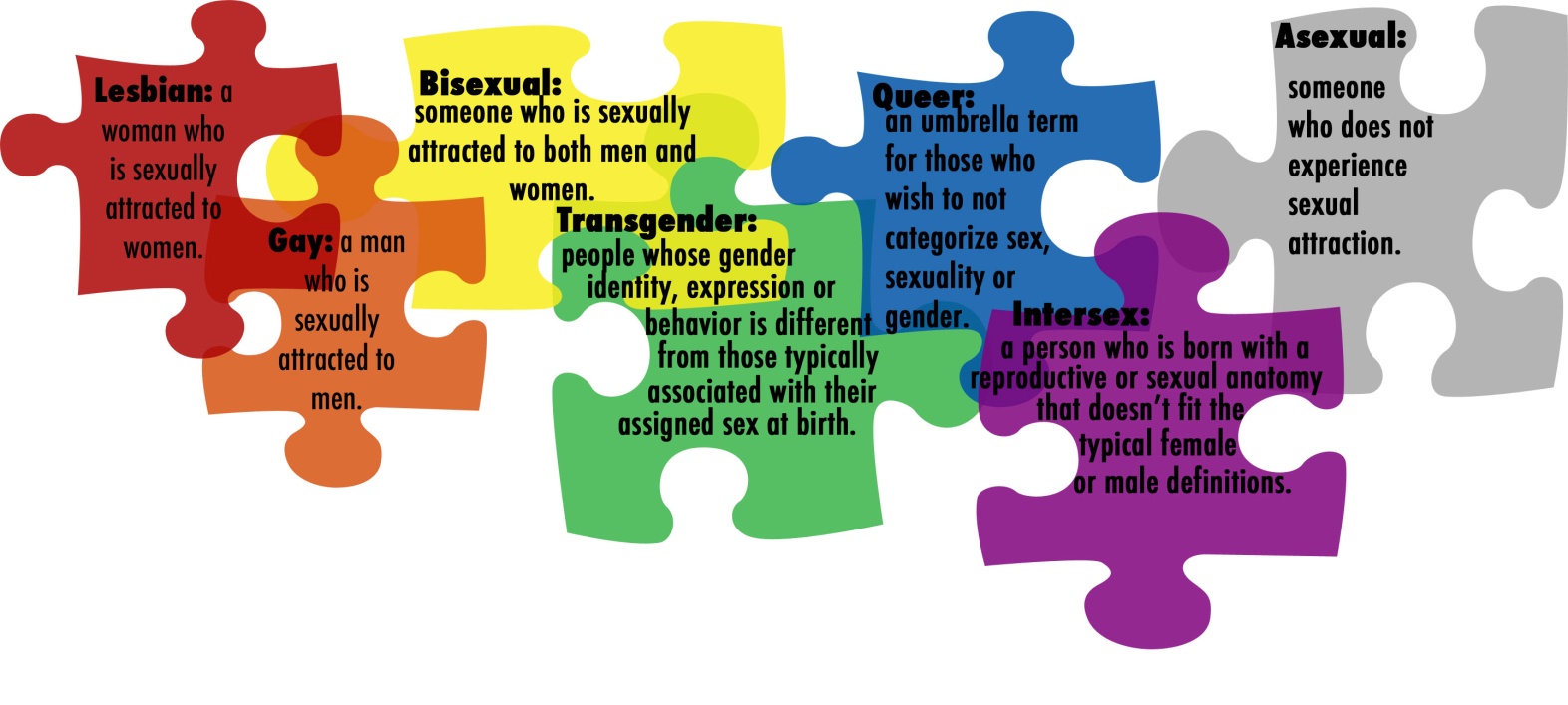
“Why is it important to change the acronym?”
The terminology when referring to LGBTQIA issues has progressed variously over NOW’s history. During Eleanor Smeal’s presidency in the 70s, “gay rights” was the preferred terminology. Shortly after in the early 80s, during Judy Goldsmith’s term, the term became “lesbian rights.” The terminology then became “LGBT rights,” which is the most recent term prior to this resolution. As time passes, cultural mores change. This is often reflected in of language. Once, referring to all non-straight women as lesbians was relevant and inclusive. LGBT used to suffice, but that, too, has changed as individuals learn new things about their identity and require new language. As an organization that strives for inclusion and equality, NOW should also use language that reflects its goals and values.
“Why are you writing this blog post if the resolution passed?”
Not only is it important to celebrate this move towards inclusivity, it is also important to celebrate that NOW empowers its members to make this essays-writing-for-me.com move themselves. A 20-year old intern saw room for growth and change, and was able to advocate just that. Even with the considerable size of NOW’s membership, each member has a voice.
Working in the social justice movement can be tiring, pinpointing injustice daily—which is why it is imperative to celebrate every achievement, no matter the size. Marriage equality is not universal, transgender healthcare is rarely covered by insurance companies, and workplace discrimination is daily for some individuals. However, using inclusive language — like LGBTQIA — reflects our commitment to a stronger, more diverse movement.
“Where can I learn more about LGBTQIA identities?”
In no particular order:
National Organization for Women
National Center for Lesbian Rights
Parents and Friends of Lesbians and Gays
American Civil Liberties Union
National Center for Transgender Equality
Transgender Terminology (PDF)
Intersex Society of North America
“The Genderbread Person” Diagram
The Asexual Visibility and Education Network
Gender Pronouns Guide (PDF)