In February of this year the Super Bowl set a record as the most viewed television event in US history with 111.5 million viewers. With a population of 313 million, that means over one third of the 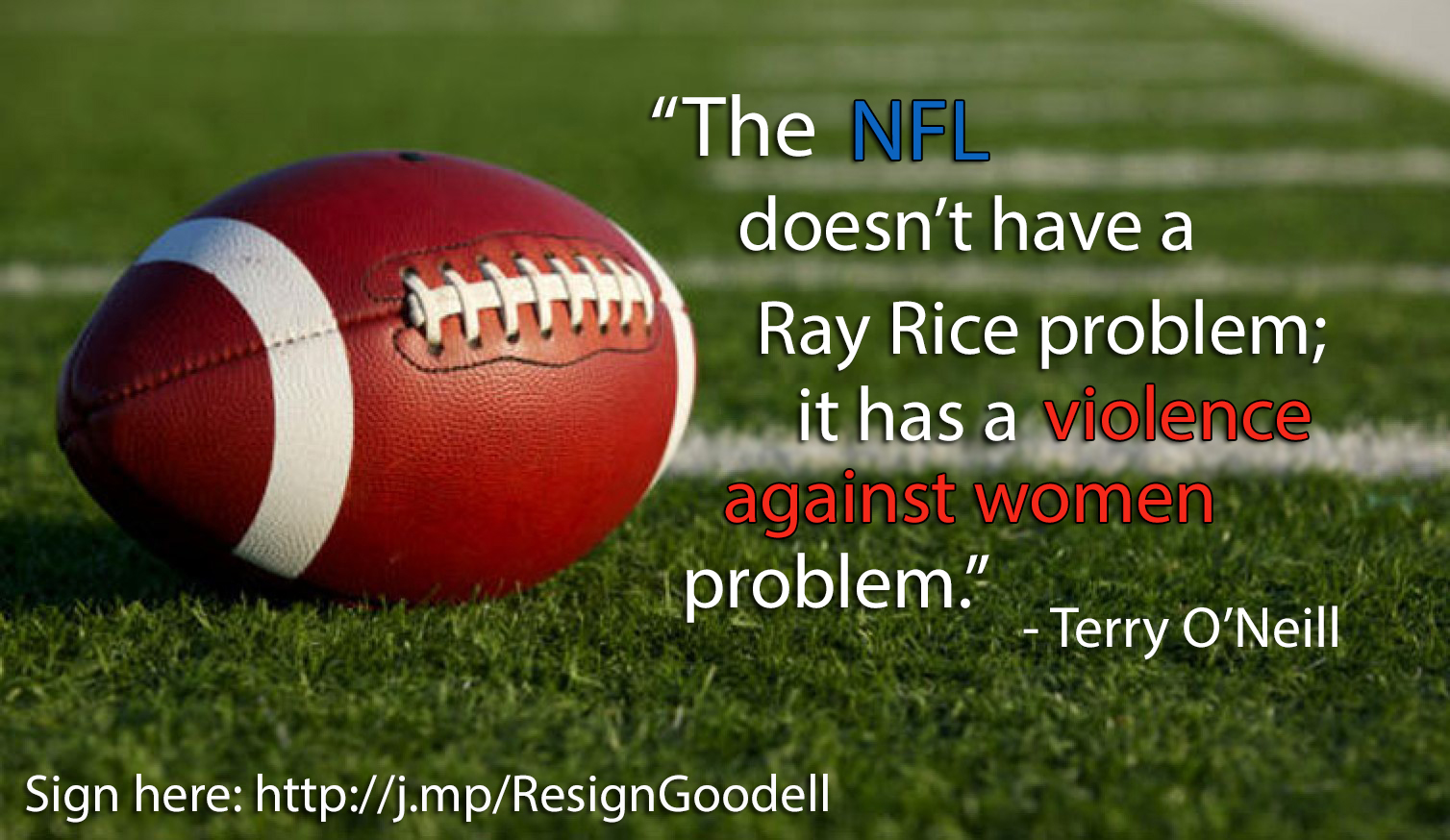 United States watched one television event at the same time. The official count doesn’t include the millions of people watching in bars or at viewing parties, so the figure is likely much higher.
The Super Bowl is a massive, unifying cultural event that creates cultural experiences well outside of the game of football. Super Bowl commercials are so valuable to companies that just 30 seconds of airtime cost $4 million in 2014. Commercials during the Super Bowl are so popular that people place bets on them, compile countless “best of” lists with commercials, and discuss them well beyond the Super Bowl itself. Arguably even more popular and culturally significant than Super Bowl commercials is the half-time show. Beyoncé’s performance at the 2013 Super Bowl was such a massive event that it broke records as one of the most Tweeted about events in the history of Twitter. The 2004 half-time show with Janet Jackson and Justin Timberlake was such a significant event that it is still being discussed 10 years later. The NFL arguably presents the most significant, consistent events of cultural production in the United States.
But the NFL as a source of cultural construction extends well beyond the Super Bowl; the sport is often synonymous with patriotism and national identity. Michael Oriard in Slate argues that the NFL became an analog for militarism and nationalism post-World War II –this cross-cultural exchange between the military and the NFL positioned football as the embodiment of U.S. values. Football has also evolved to include patriotic spectacle and demonstration as an integral part of the game. The NFL maintains the credibility as a quintessential national institution that allows it to mold norms of behavior. To be American is to watch football. To be a man is to perform the masculinity constructed by the sport and its participants.
The participants in the NFL are also held as credible sources of normalized behavior. NFL players are deified by the popular media and positioned as the ideal masculine figure. Young boys are taught to aspire to be like their favorite football player, regardless of his off-field conduct. The NFL and its players are the authority on what it means to be a good citizen and a patriotic man in the United States. When these deified athletes participate in violence against women and the NFL as an institution does not take immediate action, this violence becomes normalized. The players commit violence, the organization does not curtail (or punish) the violence, and then violence becomes the norm. Violence is equated with true masculinity. The players are raised in the culture of normalized violence as masculinity and subsequently reproduce and enforce that culture.
This is not to say that the NFL alone is responsible for normalized violence – not by any means. Nor is football as a sport to blame for domestic violence and the broad cultural tolerance for violence against women. The institution is a product of a wider cultural problem, but that doesn’t mean it cannot play a huge part in changing the culture of violence. The NFL needs to channel its power of normative cultural production towards ending violence against women: it needs to use its institutional might to challenge rather than protect those who participate in normalized violence.