Recent campaigns to raise awareness about and combat sexual assault on college campuses have seen some success, but the pervasiveness of sexual violence as a form of discrimination against women in the U.S. has yet to be fully revealed.
Many people still have misconceptions about the severity of the problem. From columnist George Will’s wildly offensive op-ed denying the problem entirely, to Senator Mitch McConnell’s recent comment that sexism in the workplace is totally over, it’s obvious that we still have a long way to go in combating sexism—and that starts with acknowledging the problem.
While rape-apologists and sexism-deniers still exist, we’ve got the facts and the numbers on our side.
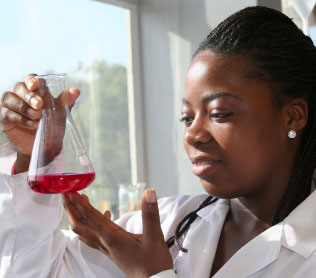
Last week, Kate Clancy, a professor of anthropology and the University of Illinois published a study examining the experiences of geologists, archaeologists, anthropologists, and other scientists while doing fieldwork. While her work shows that sexism in the workplace is alive and well, it also sheds some light on some of the reasons why women are underrepresented in the sciences.
The study revealed a lack of respect and a hostile climate towards women scientists. Among participants in the study — which was a voluntary online survey — a whopping 64% had experienced sexual harassment and 20% reported being sexual assaulted.
One participant in the study reported,
My professor often joked that only pretty women were allowed to work for him, which led me to wonder if my intellect and skills had ever mattered. He asked very personal questions about thesis writing, often in the presence of the male students. His inappropriate behavior was a model for them, making it not only acceptable, but the norm…There were jokes about selling me as a prostitute on the local market.
Unsurprisingly, the participant also stated that “I felt marginalized and under attack, and my work performance suffered research papers as a result.” When women are sexually objectified, harassed, and assaulted by their coworkers, it’s no wonder that their performance suffers.
Far from an isolated incident, the study demonstrates that this marginalization and hostility is pervasive.
Clancy reports that “Our main findings—women trainees were disproportionately targeted for abuse and felt they had few avenues to report or resolve these problems – suggest that at least some field sites are not safe, nor inclusive.”
While men reported being harassed by their peers, for women, the perpetrators of this harassment were most often their superiors. While sexual harassment and assault is always unacceptable, it especially harmful when the perpetrator is someone who is supposed to be a leader, a role model, and a mentor.
It seems like the more we look for it, the more we find toxic sexism inhibiting women from doing their best and achieving their dreams.
While the results of this study are upsetting and discouraging, to address sexism, we need to know exactly what we’re up against at http://samedayessays.org/lab-report-help/. We need to have an honest conversation about the reality of sexism and harassment in the workplace, and this study is a good first step.
So sorry, Mitch, we’re not quite there yet.